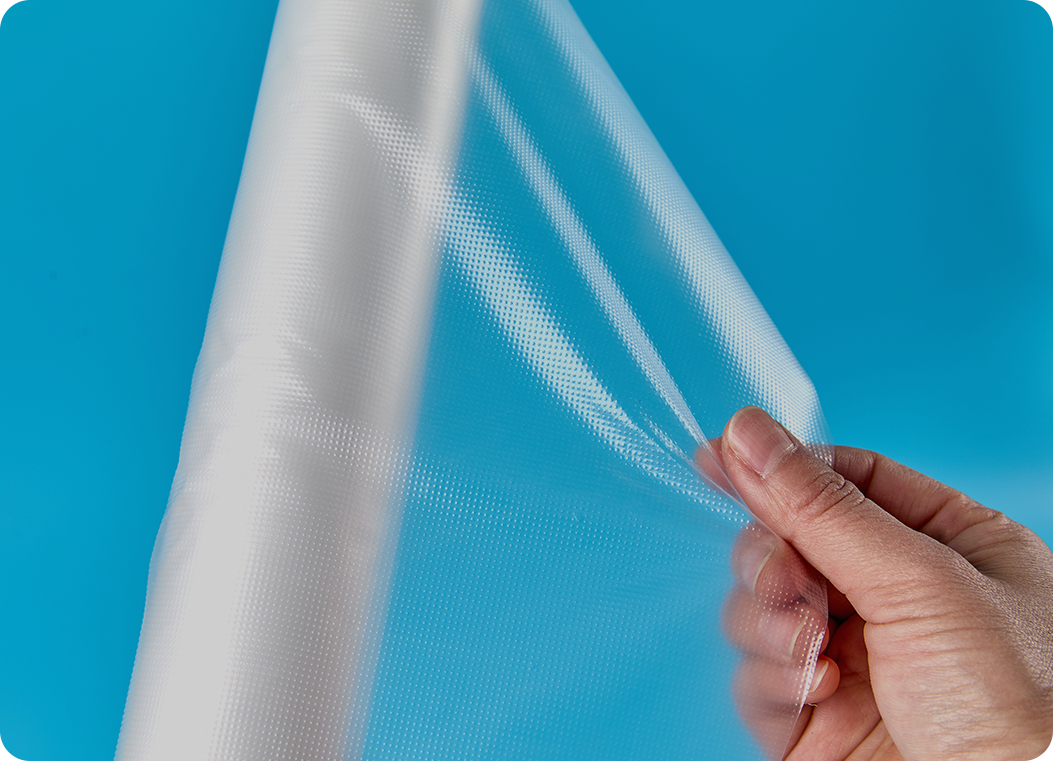
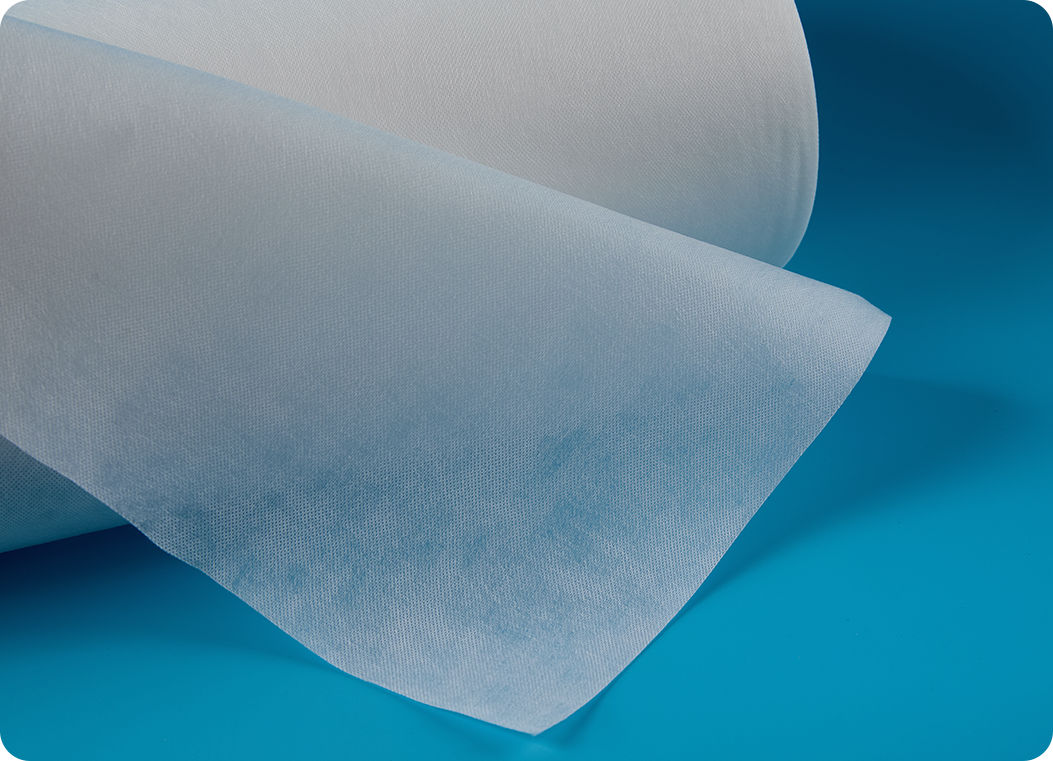
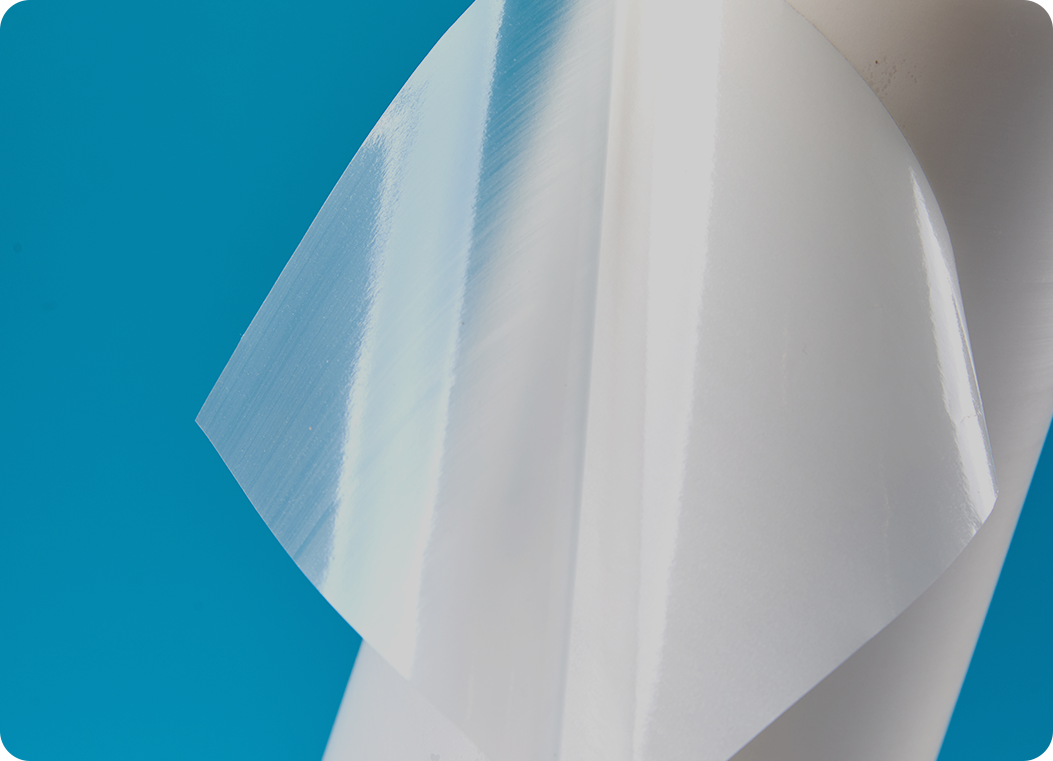
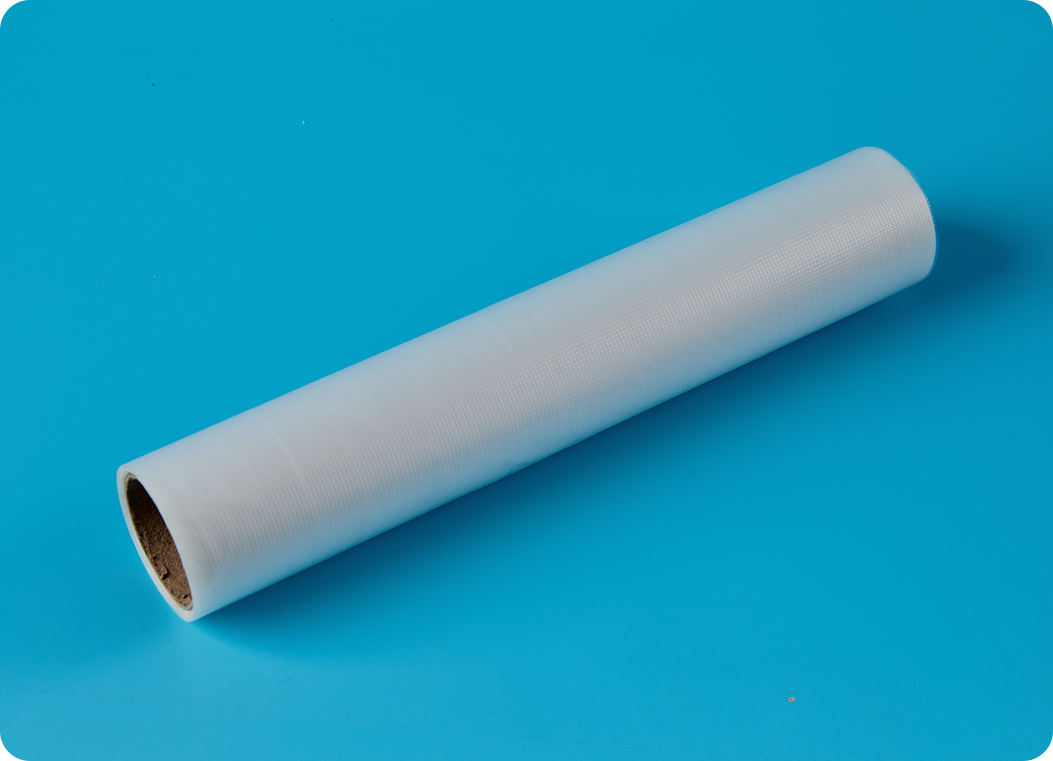
In the fast-paced world of modern manufacturing, the selection of an appropriate bonding solution is a critical decision that influences not only product quality but also production efficiency and operational costs. For decades, industries have transitioned from messy, time-consuming liquid adhesives to the refined, precise performance of hot melt adhesive films. Understanding the fundamental distinctions between these two technologies is essential for engineers and product developers aiming to optimize assembly processes.
状態とアプリケーションの根本的な違い
Liquid adhesives typically function as emulsions or solvent-based systems that require a chemical reaction or the evaporation of carriers (water or solvents) to achieve bonding strength.このプロセスでは、乾燥時間、揮発性有機化合物 (VOC) の排出、潜在的な表面汚染などの変数が導入されます。
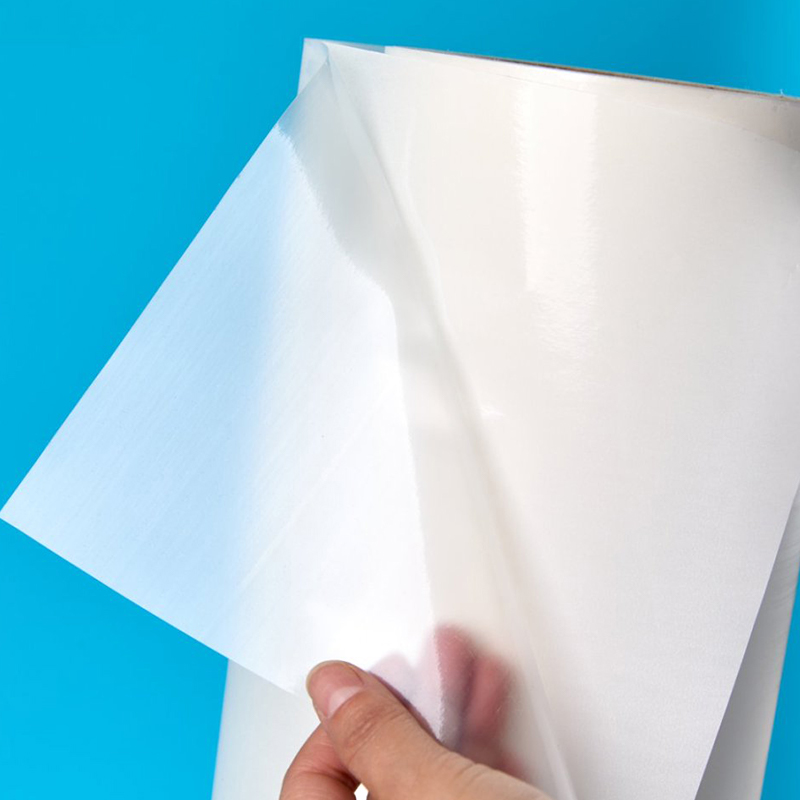
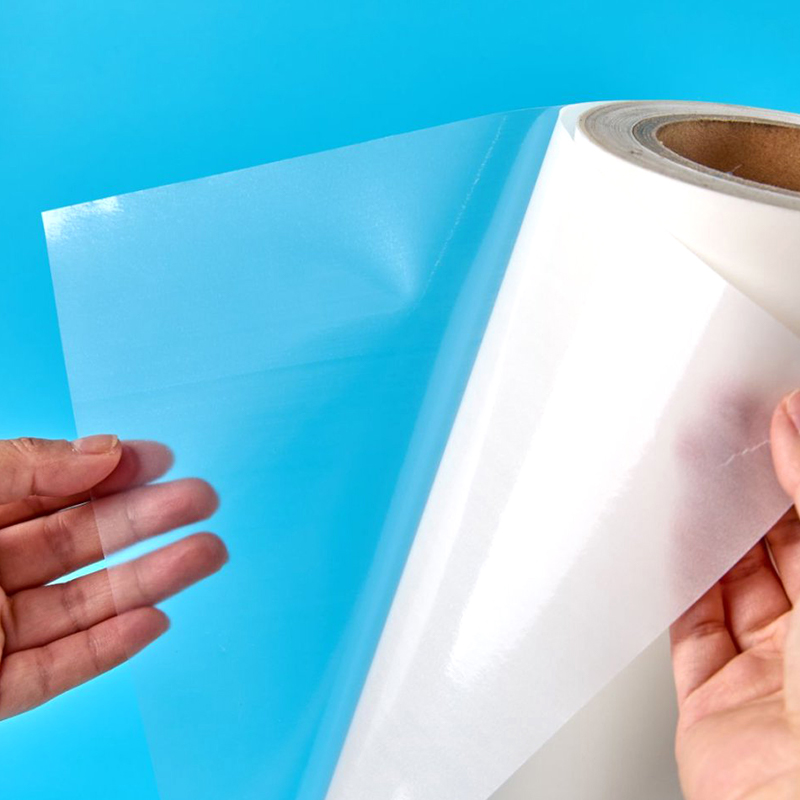
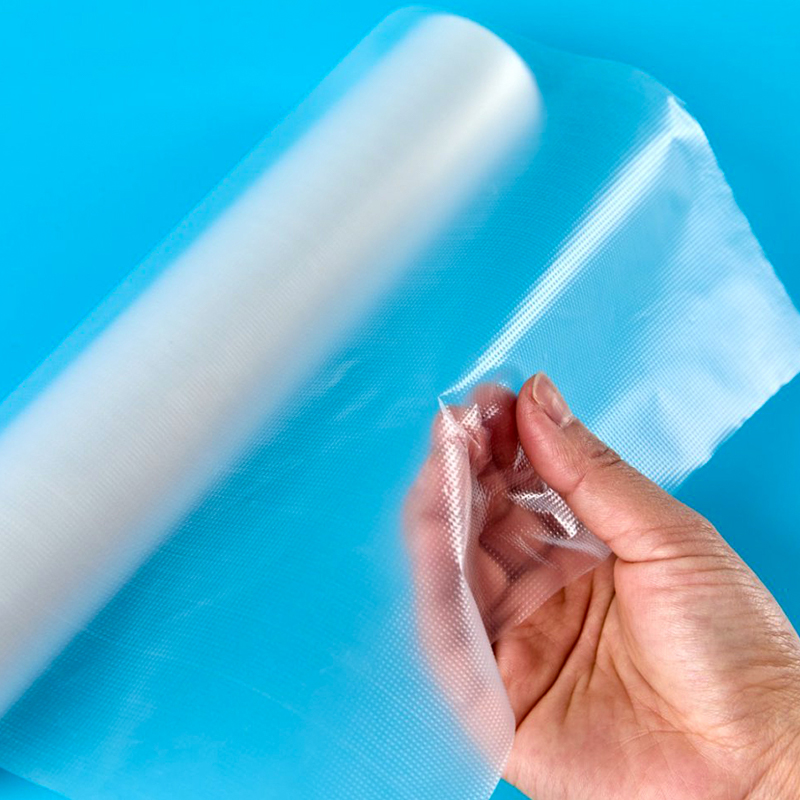
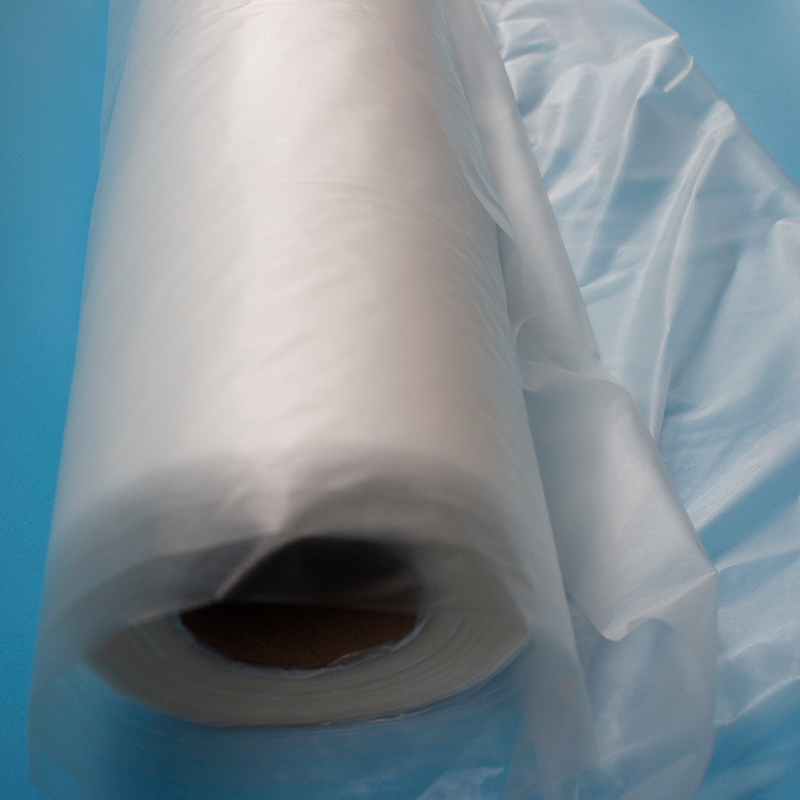
逆に、ホットメルト接着フィルムは固体の熱可塑性材料です。これらは 100% 固体の樹脂で構成されており、室温では安定であり、熱にさらされた場合にのみ溶融状態に移行します。この相変化は冷却すると瞬時に起こり、長時間の蒸発を必要とせずに結合が形成されます。
パフォーマンス比較表
メーカーがフィルムベースのソリューションに移行している理由をより深く理解するには、次のパフォーマンスの比較を検討してください。
| 特徴 | Hot Melt Adhesive Film | 液体接着剤 |
|---|---|---|
| 接着速度 | 冷却すると瞬時 | 乾燥/硬化時間が必要 |
| 厚さの制御 | 均一かつ正確 | 変動しやすく不均一になりやすい |
| 廃棄物の発生 | 最小限(サイズに合わせてダイカット) | 高 (滴下、オーバースプレー、清掃) |
| 環境への影響 | 低 (VOC なし) | 高 (溶媒蒸発) |
| 保管と賞味期限 | 長く安定し、気候に優しい | 制限があり、温度に敏感 |
| マテリアルのクリーンアップ | 不要 | 設備の大規模な清掃 |
精度と設計の柔軟性
ホットメルト接着フィルムの最も重要な利点の 1 つは、正確で均一な接着ラインの厚さを実現できることです。エレクトロニクス、医療機器製造、高級アパレルなどの業界では、接着層の一貫性が最も重要です。 Liquid adhesives often exhibit “wicking” or “bleeding” issues, where the liquid moves beyond the intended bond area, ruining the aesthetic or functional integrity of delicate materials.
特定の厚さのホットメルト フィルムは、配置された正確な領域に拘束されたままになります。 This allows for complex, intricate geometries—such as thin frames for screen displays or seamless garment construction—that would be impossible to achieve with traditional liquid dispensing methods.
生産効率と自動化
製造ラインへの自動化の統合により、粘着フィルムの採用がさらに推進されています。フィルムは形状と重量が一貫しているため、自動ダイカットやピックアンドプレイス組み立てシステムとの互換性が高くなります。ロボットアームは、プレカットされたフィルムを基板上に正確に配置し、製造されるすべてのユニットが同一であることを保証します。
これにより、人的ミスが発生しやすい手作業による接着剤の塗布が不要になります。 Furthermore, because there is no liquid to manage, the surrounding machinery remains clean, drastically reducing the maintenance overhead associated with clogged nozzles, dried-out valves, and the disposal of hazardous cleaning solvents.
環境と安全への配慮
世界的な製造基準により、有害廃棄物の削減がますます義務付けられています。溶剤ベースの液体接着剤は大気汚染物質の主要な発生源であり、職場のオペレーターに健康リスクをもたらします。ホットメルト接着フィルムは本質的に安全です。 100% 固体であるため、塗布中に有害なガスを放出しません。これらは、現代の企業の持続可能性への取り組みにとって重要な側面である、より清潔で健康的な工場現場環境を提供します。
結論
While liquid adhesives retain a niche in specific low-cost or highly irregular filling applications, hot melt adhesive films represent the standard for precision, efficiency, and cleanliness in modern manufacturing. By choosing the right film chemistry—whether TPU for elasticity, PA for high thermal resistance, or PES for structural strength—manufacturers can significantly improve their assembly outcomes and long-term reliability.
よくある質問
- Q: ホットメルト接着フィルムはあらゆる素材に使用できますか?
A: 繊維、プラスチック、金属、発泡体など、幅広い材料と互換性があります。ただし、表面エネルギーの適合性が重要です。低表面エネルギーのプラスチックの場合は、特殊なフィルム配合が推奨されます。 - Q: 映画を選ぶときに最も重要な要素は何ですか?
A: 主な要因は、製品の動作温度範囲と必要な接着強度です。接着する基材の熱感度も考慮する必要があります。 - Q: 結合の失敗を防ぐにはどうすればよいですか?
A: 基材が清潔で、油や汚染物質がないことを確認してください。また、ヒート プレスまたはラミネート装置が正しい温度、圧力、滞留時間に調整されていることを確認してください。 - Q: ホットメルト接着フィルムはリサイクル可能ですか?
A: Yes, many hot melt adhesive formulations are thermoplastic and can be recycled alongside the materials they bond, making them a more sustainable choice than some multi-component liquid adhesives. - Q: 絆が時々脆く感じるのはなぜですか?
A: Brittleness often indicates that the chosen adhesive grade has a high glass transition temperature for your application, or that the bonding process was not properly controlled. TPU ベースのフィルムなど、より柔軟なグレードを選択すると、この問題を解決できます。